Types of Art Prints and How They Affect Value
The word print covers both original works made through printmaking and reproductions of images created in another medium. Correctly identifying the process is essential before comparing prices.
Original printmaking processes
In relief printing, such as woodcut or linocut, raised areas carry ink. Intaglio methods, including etching, engraving, drypoint and aquatint, print ink held in recessed lines or textures. Lithography relies on the behavior of grease and water on a prepared surface. Screenprinting pushes ink through open areas of a stencil. Artists often work with specialist printers, and more than one process may appear in one work.
Reproductive processes
Offset lithography and digital inkjet printing can reproduce a painting, drawing or photograph. “Giclée†generally describes a high-quality inkjet process, not authorship, scarcity or authenticity. A signed, limited reproduction may be collectible, but it should not be described or valued as an original lithograph or etching unless that is genuinely how the image was created.
How to identify the medium
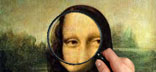
Start with publisher records, invoices, catalogues and inscriptions rather than relying only on visible texture. Under magnification, offset printing may show a regular dot pattern; some intaglio prints show a plate mark; screenprints may show flat layers of ink. These clues have exceptions, and framing can conceal margins or marks.
Why medium affects comparisons
Different editions of the same image may exist as posters, unsigned reproductions, signed reproductions and original prints. Compare only records that match the medium, dimensions, edition, signature and publisher of the object being researched.